

Starting a journey toward better health often feels like a giant leap. However, finding the right physical activity can transform your daily routine into an exciting adventure. You do not need to be a professional athlete to see significant results in your daily life.
Improving your personal fitness level boosts your energy and keeps your heart strong. Regular movement helps clear your mind and effectively reduces stress after a long workday. It is a wonderful way to maintain a vibrant and happy lifestyle.
When you commit to regular exercise, your body responds with improved sleep and better moods. Making this habit a priority ensures you stay sharp and capable for many years to come. Start today and discover how great you can feel with consistent effort.
Key Takeaways
- Boosts cardiovascular health and muscle strength.
- Enhances mental clarity and cognitive focus.
- Increases overall daily energy levels significantly.
- Supports better sleep quality and duration.
- Improves emotional well-being and reduces stress.
- Promotes long-term weight management and mobility.
Why Your Body Craves Movement Every Day
The human body is designed to move, and daily activity is crucial for its optimal functioning. Regular movement is not just about physical health; it’s also closely linked to our overall wellness and mental state.
When we engage in daily activity, our bodies experience numerous health benefits. Movement helps improve circulation, boosts energy levels, and supports the proper functioning of our organs. It’s essential for maintaining a healthy weight, enhancing sleep quality, and even improving our mood.
Moreover, incorporating physical activity into our daily routines can have long-term benefits. It can help reduce the risk of chronic diseases, such as heart disease and diabetes, and improve our overall quality of life. By making movement a habit, we can enhance our wellness and enjoy a healthier, more balanced life.
In essence, our bodies crave movement because it is fundamental to our health and daily activity plays a critical role in maintaining our physical and mental well-being. By understanding and embracing this need, we can take significant steps towards a healthier lifestyle.
The Amazing Science Behind Exercise and Your Health
Delving into the science behind exercise reveals a complex interplay of physiological responses that enhance overall health. Exercise is a multifaceted activity that impacts various bodily systems, leading to improved cardiovascular health, increased muscle strength, and enhanced bone density.
How Exercise Strengthens Your Heart and Lungs
Regular physical activity is known to have a profound impact on cardiovascular health. When you exercise, your heart rate increases, and your heart muscle strengthens, allowing it to pump blood more efficiently. This improvement in cardiovascular function enhances the delivery of oxygen and nutrients to your muscles, boosting overall physical performance.
“Exercise is a potent tool for improving cardiovascular health, and its benefits extend far beyond just the heart, influencing overall mortality and quality of life.”
Furthermore, exercise helps in improving lung function by increasing lung capacity and efficiency, allowing for better oxygen intake and exchange.
Building Stronger Bones and Muscles Through Regular Activity
Exercise also plays a crucial role in enhancing muscle strength and bone density. Resistance training, a form of exercise that challenges your muscles, leads to muscle hypertrophy (growth) and increased strength. This not only improves physical performance but also supports bone health by stimulating bone growth and density.
As a result, regular activity can significantly reduce the risk of osteoporosis and fractures, particularly in older adults. A well-rounded exercise program that includes a mix of aerobic exercise, resistance training, and flexibility exercises can lead to overall physical fitness and health.
Transform Your Body with Weight Management Benefits
Exercise plays a crucial role in weight management, offering numerous benefits beyond just burning calories. Regular physical activity not only helps in shedding unwanted fat but also in maintaining overall health.
Burning Calories and Shedding Unwanted Fat
Regular exercise is essential for burning calories and shedding unwanted fat. Different types of exercises have different calorie-burning effects. For instance:
- Cardio exercises like running and cycling are effective for burning calories during the activity.
- Strength training helps build muscle mass, which can further enhance metabolism.
- High-Intensity Interval Training (HIIT) is particularly effective for burning a high number of calories in a short duration.
Boosting Your Metabolism for Lasting Results
Boosting your metabolism is crucial for lasting weight loss results. Exercise, especially strength training, can significantly enhance your metabolic rate.
Understanding the Afterburn Effect
The afterburn effect, also known as excess post-exercise oxygen consumption (EPOC), refers to the increased oxygen consumption by the body after exercise. This phenomenon is associated with an increased metabolic rate post-exercise, leading to additional calorie burn.
Some key points about the afterburn effect include:
- High-intensity exercises tend to result in a higher afterburn effect.
- The afterburn effect can last from several hours to even days after the exercise, depending on the intensity and duration.
- Incorporating varied exercises into your routine can help maximize the afterburn effect.
By understanding and leveraging the afterburn effect, individuals can enhance their weight loss efforts and achieve more sustainable results.
Exercise for Mental Health and Emotional Wellness
Engaging in physical activity has been shown to have a profoundly positive impact on both mental health and emotional stability. Regular exercise is not just beneficial for the body; it also plays a significant role in maintaining a healthy mind.
Reducing Stress and Anxiety Naturally
Exercise is a natural stress-reliever and anxiety-reducer. Physical activity stimulates the production of endorphins, also known as “feel-good” hormones, which help alleviate symptoms of stress and anxiety. Activities such as yoga, walking, and jogging are particularly effective in calming the mind and reducing feelings of overwhelm.
- Reduces stress hormones: Exercise decreases the production of stress hormones like cortisol.
- Improves mood: Physical activity boosts the production of endorphins, enhancing overall mood.
- Enhances sleep: Regular exercise can improve sleep quality, which is often disrupted by stress and anxiety.
Fighting Depression Through Physical Activity
Exercise is a valuable tool in the management and treatment of depression. It offers a healthy distraction from negative thoughts, improves mood, and enhances overall physical health. Studies have shown that regular physical activity can be as effective as medication in some cases of mild to moderate depression.
Key benefits of exercise for depression include:
- Increased production of neurotransmitters like serotonin and dopamine, which help regulate mood.
- Improved self-esteem through achieving exercise goals.
- Enhanced social connections when exercising with others.
How Movement Changes Brain Chemistry
Physical activity influences brain chemistry in several ways, contributing to improved mental health. Exercise promotes blood flow to the brain, boosting the growth of new neuronal connections and potentially even new neurons in certain parts of the brain.
The impact of exercise on brain chemistry is multifaceted, involving the release of various neurotransmitters and hormones that contribute to improved mood and reduced symptoms of mental health disorders.
Boost Your Mood and Energy Levels Instantly
Boosting your mood and energy is just a workout away, thanks to the incredible effects of physical activity. Exercise is a natural and effective way to enhance your overall well-being, and it’s backed by science. When you engage in physical activity, your body releases certain chemicals that have a profound impact on your mood and energy levels.
The Power of Endorphins and Feel-Good Hormones
One of the primary reasons exercise can instantly boost your mood is due to the release of endorphins, often referred to as “feel-good” hormones. These natural chemicals are produced by the body and act as painkillers, while also promoting a sense of well-being and happiness. Regular physical activity stimulates the production of endorphins, leading to improved mood and reduced stress levels.
In addition to endorphins, exercise also influences other hormones that play a crucial role in mood regulation, such as serotonin and dopamine. These neurotransmitters help to alleviate symptoms of depression and anxiety, further contributing to an overall sense of well-being.
Defeating Fatigue with Regular Movement
Regular exercise not only boosts your mood but also significantly enhances your energy levels. Engaging in physical activity improves cardiovascular health, increases muscle strength, and enhances endurance, all of which contribute to reduced fatigue. By incorporating regular movement into your daily routine, you can say goodbye to sluggish feelings and hello to a more energetic you.
Moreover, exercise has been shown to improve sleep quality, which is closely linked to energy levels. Better sleep means you’re more likely to feel rested and refreshed, ready to tackle the day with vigor.
Sleep Better Tonight with Regular Physical Activity
Engaging in regular exercise can lead to better sleep quality and overall health. Many people struggle with getting a good night’s rest, but incorporating physical activity into their daily routine can make a significant difference.
Exercise has been shown to have a positive impact on sleep patterns. It can help regulate the body’s internal clock and improve the quality of sleep. By understanding how physical activity affects sleep, individuals can make informed decisions about their exercise routine.
The Exercise-Sleep Connection Explained
The relationship between exercise and sleep is complex. Research suggests that regular physical activity can help improve sleep quality by reducing stress and anxiety, which are common causes of sleep disturbances.
Exercise influences the body’s temperature regulation, which can promote better sleep. A cooler body temperature is associated with deeper sleep, and regular physical activity can help regulate this process.
Best Times to Work Out for Quality Rest
The timing of exercise can also impact sleep. While regular physical activity is beneficial, the timing of workouts can either enhance or disrupt sleep quality.
For most people, exercising in the morning or early afternoon is ideal, as it allows the body to experience the benefits of physical activity without interfering with sleep. However, some individuals may find that a gentle evening workout helps them relax and prepare for bed.
It’s essential to experiment and find the best exercise timing that works for you and your sleep schedule. Avoid vigorous exercise within a few hours of bedtime, as it can stimulate the body and make it harder to fall asleep.
Strengthen Your Immune System Through Fitness
Exercise plays a significant role in enhancing your body’s natural defense mechanisms. Regular physical activity has been shown to have a positive impact on the immune system, helping to fight off illnesses and build long-term disease resistance.
Fighting Off Illnesses with Exercise
When you engage in regular exercise, you are not just improving your cardiovascular health or building muscle; you are also strengthening your immune system. Exercise has been shown to increase the circulation of white blood cells, which are vital for fighting off infections. This enhanced circulation helps your body to detect and respond to pathogens more effectively.
Moreover, physical activity has anti-inflammatory effects, which can help in reducing the severity of illnesses. By incorporating a mix of aerobic exercises, such as walking or cycling, and strength training into your routine, you can significantly boost your immune function.
Building Long-Term Disease Resistance
Consistent exercise over time can lead to long-term improvements in immune function, making you more resilient to diseases. Regular physical activity can help in the production of antibodies, which are crucial for fighting off specific infections. Furthermore, exercise has been linked to a lower risk of chronic diseases, including heart disease, diabetes, and certain types of cancer, all of which can be influenced by immune function.
To maximize the immune-boosting effects of exercise, it’s essential to maintain a balanced fitness routine that includes a variety of activities. This not only keeps the workouts interesting and prevents boredom but also ensures that you’re challenging your body in different ways, which can lead to a more robust immune response.
Sharpen Your Mind with Brain-Boosting Exercise
Engaging in regular exercise can be a powerful tool in enhancing cognitive function and reducing the risk of age-related cognitive decline. Exercise has been shown to have a positive impact on brain health, influencing everything from memory and learning capabilities to the risk of neurodegenerative diseases.
Enhancing Memory and Learning Capabilities
Regular physical activity has been demonstrated to improve memory and learning capabilities. Exercise promotes blood flow to the brain, boosting the growth of new neuronal connections and enhancing overall brain function. This can lead to better performance in daily tasks and improved learning outcomes.
Exercise-induced cognitive improvements are believed to be partly due to the increased production of brain-derived neurotrophic factor (BDNF), a protein that plays a crucial role in brain health and plasticity.
Protecting Against Age-Related Cognitive Decline
As we age, our cognitive abilities can decline, increasing the risk of conditions such as Alzheimer’s disease and dementia. However, regular exercise has been shown to protect against age-related cognitive decline, maintaining cognitive health well into old age.
Reducing Alzheimer’s and Dementia Risk
Studies have found that regular physical activity can reduce the risk of developing Alzheimer’s disease and other forms of dementia. Exercise achieves this by reducing inflammation, improving cardiovascular health, and promoting the clearance of beta-amyloid plaques, a hallmark of Alzheimer’s disease.
Improving Focus and Concentration
In addition to long-term cognitive benefits, exercise has been shown to improve focus and concentration in the short term. Regular physical activity can enhance cognitive flexibility, allowing individuals to switch between tasks more efficiently and maintain attention on complex tasks.
By incorporating regular exercise into your lifestyle, you can take proactive steps towards maintaining a healthy brain and reducing the risk of cognitive decline.
Exploring Different Types of Exercise for Maximum Benefits
Exploring the diverse world of exercise can help you tailor your routine for optimal results. With so many options available, it’s crucial to understand the benefits of each type to maximize your fitness journey.
Exercise is broadly categorized into several types, each with its unique benefits. Incorporating a mix of these can help you achieve overall fitness and wellness.
Cardiovascular Exercise for Heart Health and Endurance
Cardiovascular exercises, such as running, cycling, and swimming, are designed to improve heart health and increase endurance. These activities strengthen the heart and lungs, improving the body’s ability to transport oxygen and nutrients to tissues.
“Regular cardio exercise can significantly reduce the risk of heart disease, improving overall cardiovascular health,” as noted by health experts. Engaging in cardio activities for at least 150 minutes per week is recommended for substantial benefits.
Strength Training for Muscle Growth and Bone Density
Strength training involves activities that work your muscles, such as weightlifting or resistance band exercises. This type of exercise is crucial for building muscle mass and enhancing bone density, reducing the risk of osteoporosis and fractures.
By incorporating strength training into your routine, you can also boost your metabolism, helping with weight management. It’s recommended to engage in strength training exercises at least twice a week.
Flexibility and Balance Work for Overall Function
Flexibility and balance exercises, such as yoga or Pilates, are essential for maintaining flexibility, balance, and overall functional ability. These exercises help in preventing injuries and improving posture.
They also contribute to better coordination and can enhance your ability to perform daily activities with ease. Incorporating flexibility and balance exercises into your routine can lead to improved overall fitness and reduced risk of falls.
How Much Exercise Do You Actually Need Each Week
To stay fit and healthy, it’s essential to know the recommended amount of exercise per week. The right amount of physical activity can vary based on factors such as age, health, and fitness goals. Understanding these recommendations can help you create an effective exercise plan.
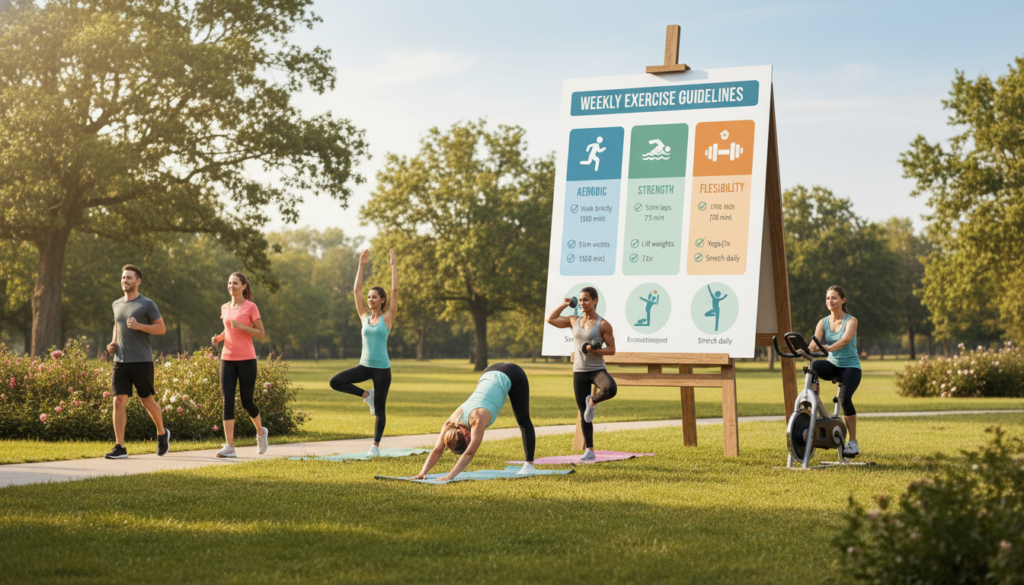
The World Health Organization and other health institutions provide guidelines on the minimum amount of exercise required for adults and seniors to stay healthy. Generally, adults are advised to engage in at least 150 minutes of moderate-intensity aerobic physical activity or 75 minutes of vigorous-intensity aerobic physical activity per week.
Activity Recommendations for Adults and Seniors
For adults, the recommendation is to do at least 150 minutes of moderate-intensity aerobic exercise or 75 minutes of vigorous-intensity aerobic exercise throughout the week. This can be broken down into 30 minutes per day, five days a week. Additionally, incorporating muscle-strengthening activities on two or more days a week can provide further health benefits.
Seniors, or adults aged 65 and older, should also aim for at least 150 minutes of moderate-intensity aerobic exercise per week. For those with mobility issues, incorporating activities that improve balance and prevent falls is also recommended. It’s also crucial for seniors to engage in exercises that strengthen muscles and bones.
Adjusting Intensity Based on Your Fitness Level
The intensity of your workouts should be adjusted according to your fitness level. Beginners can start with lower intensity exercises and gradually increase the intensity as their fitness level improves. For those who are more advanced, increasing the intensity or incorporating more vigorous activities can help continue making progress.
It’s also important to mix up your routine with a combination of aerobic exercises, strength training, and flexibility exercises. This not only helps prevent boredom but also ensures that you’re working on different aspects of your fitness.
Key Considerations:
- Start with manageable amounts and gradually increase exercise duration and intensity.
- Incorporate a mix of aerobic, strength, and flexibility exercises.
- Listen to your body and rest when needed.
The Social Side of Staying Active and Fit
When you exercise with others, you’re not just improving your health, you’re also building friendships and connections that can last a lifetime. Group fitness activities and workout buddies can add a fun and motivating dimension to your exercise routine, making it more enjoyable and helping you stick to it.
Building Friendships Through Group Classes and Sports
Joining a group fitness class or sports team is an excellent way to meet new people who share similar interests. These environments foster camaraderie and provide opportunities to form lasting bonds. Whether it’s a high-energy aerobics class or a local recreational soccer league, exercising with others can make the experience more enjoyable and help you stay committed to your fitness goals.
Many people find that exercising with others helps them stay motivated and accountable. The social aspect of group fitness can also make the experience feel less like a chore and more like a fun, social event.
Finding Accountability and Motivation with Workout Buddies
Having a workout buddy can be a powerful motivator. When you know someone is counting on you to show up for a workout, you’re more likely to stick to your routine. Workout buddies can provide support, encouragement, and a sense of accountability that can be hard to find when exercising alone.
Moreover, exercising with a buddy can add a level of safety to your workouts, especially if you’re working out outdoors or at odd hours. It’s also a great way to try new activities or exercises that you might not feel comfortable doing alone.
Preventing Chronic Diseases with Regular Exercise
Engaging in physical activity on a regular basis can significantly reduce the risk of developing chronic conditions. Chronic diseases, such as heart disease, type 2 diabetes, and certain cancers, are among the leading causes of death worldwide. However, a substantial body of evidence suggests that regular exercise can play a pivotal role in preventing or managing these conditions.
Regular physical activity not only improves overall health but also has specific benefits for preventing chronic diseases. By incorporating exercise into your daily routine, you can significantly enhance your body’s ability to fight off these conditions.
Reducing Heart Disease and Stroke Risk
Exercise is a critical component in maintaining heart health. Regular physical activity helps to lower blood pressure, improve blood lipid profiles, and prevent the formation of blood clots, all of which contribute to a reduced risk of heart disease and stroke. Activities such as brisk walking, cycling, and swimming are particularly beneficial for cardiovascular health.
Aerobic exercises, in particular, have been shown to improve heart function and increase overall cardiovascular efficiency. By engaging in at least 150 minutes of moderate-intensity aerobic activity or 75 minutes of vigorous-intensity activity per week, individuals can significantly lower their risk of heart disease.
Managing and Preventing Type 2 Diabetes
Regular exercise is also vital for diabetes management and prevention. Physical activity helps to regulate blood sugar levels by improving insulin sensitivity, which is crucial for preventing and managing type 2 diabetes. Both aerobic exercise and resistance training have been shown to be effective in this regard.
By incorporating a mix of aerobic activities, such as walking or jogging, and resistance training, such as weightlifting, individuals can improve their body’s ability to manage blood glucose levels. This not only helps in preventing type 2 diabetes but also in managing the condition for those already diagnosed.
Lowering Your Risk of Certain Cancers
There is substantial evidence to suggest that regular physical activity can reduce the risk of certain types of cancer. Exercise has been shown to lower the risk of colon, breast, and uterine cancers, among others. The mechanisms behind this are not fully understood but are thought to relate to the effects of exercise on hormone levels, insulin sensitivity, and immune function.
To maximize the cancer prevention benefits of exercise, it’s recommended to engage in a variety of physical activities throughout the week. This can include a mix of aerobic exercise, strength training, and high-intensity interval training (HIIT), all of which have been shown to have anti-cancer effects.
In conclusion, incorporating regular exercise into your lifestyle is one of the most effective strategies for preventing chronic diseases. By understanding the benefits of physical activity for heart health, diabetes management, and cancer prevention, individuals can take proactive steps towards a healthier future.
Your First Steps to Starting an Exercise Program
Embarking on a new exercise journey can be both thrilling and intimidating, but with a clear plan, you can set yourself up for success. As you begin, it’s essential to consider several key factors that will help you establish a sustainable and enjoyable routine.
Setting Achievable Fitness Goals
Setting achievable fitness goals is the first step towards a successful exercise program. According to a study published in the Journal of Sports Science and Medicine, setting specific and achievable goals can significantly enhance motivation and adherence to an exercise program. Your goals should be specific, measurable, attainable, relevant, and time-bound (SMART). For example, instead of saying “I want to be healthier,” you could say “I will walk for 30 minutes, three times a week, for the next three months.”
Choosing Activities That Match Your Interests
Choosing activities that you enjoy is crucial for maintaining a consistent exercise routine. When you enjoy the activity, you’re more likely to stick with it. Consider what types of exercises you find most appealing. Do you prefer group classes, or do you like exercising alone? Are you more inclined towards outdoor activities or indoor workouts?
“Exercise should be a positive experience, not a chore.”
Finding an activity that matches your interests will make it easier to incorporate exercise into your daily life.
Starting Small and Building Momentum
Starting small is a vital strategy when beginning an exercise program. It’s better to start with manageable sessions and gradually increase the intensity and duration. This approach helps prevent burnout and reduces the risk of injury. As you build momentum, you can incrementally challenge yourself to do more. A quote from Greg Glassman, the founder of CrossFit, emphasizes this point:
“Scale your workout to your fitness level.”
Equipment and Preparation Tips
Before you start exercising, it’s essential to have the right equipment and preparation. Here are some tips:
- Invest in a good pair of workout shoes that provide adequate support.
- Choose comfortable clothing that allows for a full range of motion.
- Consider investing in basic equipment like dumbbells or resistance bands if you’re planning to work out at home.
- Prepare your environment by clearing space and ensuring you have enough room to move freely.
By following these steps and tips, you can set yourself up for success and make your exercise journey a positive and rewarding experience.
Breaking Through Common Exercise Obstacles
Achieving fitness goals is not just about motivation; it’s also about overcoming obstacles effectively. Many people face challenges when trying to maintain a regular exercise routine, but understanding how to overcome these hurdles can make a significant difference.
Making Time for Fitness in Your Busy Life
One of the most common obstacles is finding time to exercise. With increasingly busy schedules, it can be challenging to fit in a workout. However, effective time management can help. Consider the following strategies:
- Waking up earlier to fit in a morning workout
- Using your lunch break for a quick exercise session
- Replacing screen time with physical activity in the evening
Staying Motivated During Plateaus and Setbacks
Another significant challenge is staying motivated, especially when faced with plateaus or setbacks. To overcome this, it’s essential to set realistic goals and celebrate small achievements. Additionally, varying your workout routine can help keep things interesting and prevent boredom.
Adapting Workouts for Injuries or Limitations
For individuals dealing with injuries or physical limitations, adapting workouts is crucial. This might involve:
- Consulting with a healthcare professional or fitness expert to develop a personalized exercise plan
- Focusing on low-impact activities that are easier on the joints, such as swimming or cycling
- Incorporating exercises that strengthen the muscles around the injured area, promoting recovery and preventing further injury
By addressing these common obstacles and implementing strategies to overcome them, individuals can stay on track with their fitness goals and enjoy the many benefits of regular exercise.
Building a Sustainable Exercise Routine That Lasts
To enjoy the benefits of exercise for years to come, it’s essential to build a routine that lasts. A sustainable routine is not just about exercising regularly, but also about creating a lifestyle that you can maintain in the long term.
Creating a Balanced Weekly Activity Schedule
A balanced schedule includes a mix of cardiovascular exercise, strength training, and flexibility workouts. This variety helps prevent plateaus and reduces the risk of overuse injuries.
- Cardiovascular Exercise: Aim for at least 150 minutes of moderate-intensity or 75 minutes of vigorous-intensity cardio per week.
- Strength Training: Incorporate strength training exercises into your routine at least twice a week to build muscle and boost metabolism.
- Flexibility and Balance: Include activities that improve flexibility and balance, such as yoga or Pilates, to enhance overall functional fitness.
Listening to Your Body and Preventing Burnout
It’s crucial to listen to your body and avoid overexertion. Burnout can occur if you’re pushing yourself too hard without adequate rest and recovery.
Rest days are just as important as workout days. They allow your muscles to recover and rebuild, making you stronger over time.
Turning Exercise Into a Lifelong Healthy Habit
To make exercise a lifelong habit, it’s essential to find activities you enjoy and that fit your lifestyle. This could mean trying out different types of workouts until you find what works best for you.
Tracking Progress and Celebrating Wins
Tracking your progress can be a great motivator. Use a fitness tracker, journal, or mobile app to monitor your workouts and celebrate your achievements along the way.

By following these tips and creating a balanced, enjoyable exercise routine, you can ensure that physical activity becomes a sustainable part of your lifestyle.
Conclusion
Regular physical activity is a cornerstone of a healthy lifestyle, offering numerous benefits that enhance overall well-being. By incorporating exercise into your daily routine, you can significantly improve your physical and mental health, reducing the risk of chronic diseases and improving your quality of life.
As discussed, exercise plays a crucial role in weight management, mental health, and preventing chronic diseases. By making physical activity a habit, individuals can experience these benefits firsthand, leading to a healthier, more balanced life.
To achieve an exercise conclusion that is both satisfying and sustainable, it’s essential to find activities that you enjoy and to make them a consistent part of your routine. Developing healthy habits takes time and commitment, but the rewards are well worth the effort.
By prioritizing exercise and making it a lifelong habit, you can look forward to a healthier tomorrow, with improved physical and mental well-being.