

Many Americans find it hard to stick with diets that promise quick results. It is far more effective to focus on sustainable fat loss for a lifetime of wellness. This positive approach ensures you keep the body you worked so hard to build over time.
You do not have to give up everything you love to see real progress. By making small changes, you can create a lifestyle that works for your unique needs. Healthy weight habits are all about finding what makes your body feel its best every day.
Consistency is the most important part of any wellness journey you begin. Make sure to get enough sleep and drink plenty of water to help your body recover. When you focus on your health, you will find it much easier to reach your goals. Small habits create lasting change that stays with you forever.
Key Takeaways
- Choose whole, nutrient-dense foods over processed options.
- Stay active with physical movements that you actually enjoy.
- Prioritize seven to nine hours of quality sleep each night.
- Drink plenty of fresh water to stay hydrated throughout the day.
- Focus on long-term wellness instead of temporary fixes.
- Keep a positive and patient mindset during your transformation.
Why Sustainable Fat Loss Matters More Than Quick Fixes
In the pursuit of a healthier body, it’s crucial to distinguish between fleeting weight loss solutions and sustainable fat loss strategies. While the temptation to opt for quick fixes is understandable, the long-term benefits of sustainable weight loss far outweigh the temporary results offered by crash diets and extreme approaches.
The Problem with Crash Diets and Extreme Approaches
Crash diets and extreme weight loss methods may promise rapid results, but they often come with significant drawbacks. These approaches can lead to nutrient deficiencies, as they typically involve severe calorie restriction or the elimination of entire food groups. Moreover, such diets are difficult to maintain, leading to a high likelihood of weight regain once normal eating habits are resumed.
Furthermore, crash diets can have a negative impact on metabolism, causing it to slow down as the body adapts to the drastic reduction in calorie intake. This can make it even more challenging to lose weight in the long run. Extreme approaches, such as excessive exercise or the use of weight loss supplements, can also have adverse effects on overall health and well-being.
What Makes Fat Loss Truly Sustainable
Truly sustainable fat loss is characterized by gradual weight loss, achieved through a combination of balanced nutrition and regular physical activity. This approach focuses on developing healthy habits that can be maintained over time, rather than seeking quick fixes or relying on willpower alone.
A sustainable fat loss strategy involves making lifestyle changes that promote overall health and well-being. This includes adopting a balanced diet that provides adequate nutrition, engaging in regular physical activity, and practicing stress management techniques. By focusing on long-term health benefits rather than short-term weight loss, individuals can achieve a more stable and maintainable weight loss.
Understanding the Science Behind Fat Loss
To achieve lasting fat loss, it’s crucial to comprehend the complex interplay between fat storage, energy mobilization, and metabolic rate. This understanding forms the foundation of a successful weight management strategy.
How Your Body Stores and Burns Fat
The human body is designed to store energy in the form of fat, which is a highly efficient way to reserve energy for times of scarcity. Adipose tissue plays a critical role in this process.
The Role of Adipose Tissue
Adipose tissue is not just a passive storage depot; it’s an active participant in energy metabolism. It stores excess energy as triglycerides and releases it when the body needs it. As noted by a study, “Adipose tissue is a complex, dynamic organ that plays a crucial role in energy homeostasis.”
“Adipose tissue is a complex, dynamic organ that plays a crucial role in energy homeostasis.”
Energy Storage and Mobilization
The process of energy storage and mobilization is tightly regulated by various hormones, including insulin and adrenaline. When you consume more calories than you burn, insulin promotes the storage of fat. Conversely, when you need energy, hormones like adrenaline trigger the breakdown of fat.
The Role of Metabolism in Weight Management
Metabolism is the body’s engine for burning calories. A faster metabolism means you burn more calories at rest, making it easier to lose and maintain weight loss.
Basal Metabolic Rate Explained
Basal Metabolic Rate (BMR) is the number of calories your body needs to perform basic life-sustaining functions. It’s influenced by factors such as age, sex, weight, and genetics. Understanding your BMR is crucial for creating an effective weight loss plan.
Factors That Influence Your Metabolism
Several factors can influence your metabolic rate, including muscle mass, diet, and physical activity level. For instance, strength training can increase muscle mass, which in turn boosts your resting metabolic rate.
- Muscle mass
- Diet composition
- Physical activity level
- Genetic predisposition
By understanding these factors and how they impact your metabolism, you can make informed decisions to support your fat loss goals.
The Truth About Calories and Energy Balance
Achieving sustainable fat loss requires a deep understanding of the energy balance equation. At its core, weight management is about the balance between the calories you consume and the calories your body expends. This fundamental principle is often oversimplified, leading to misunderstandings about how to effectively manage weight.
Calories In vs. Calories Out: The Foundation
The concept of “calories in versus calories out” is straightforward: if you consume more calories than you burn, you gain weight, and if you burn more than you consume, you lose weight. However, the reality is more complex due to factors like metabolism, activity level, and the types of food you eat.
Creating a calorie deficit is essential for fat loss. This can be achieved by reducing calorie intake, increasing physical activity, or a combination of both. However, the quality of the calories you consume plays a significant role in how effectively your body can utilize them for energy.
Why Not All Calories Are Created Equal
While the calorie count is crucial, it’s equally important to consider the nutritional value of the foods you eat. Nutrient-dense foods provide more vitamins, minerals, and beneficial compounds compared to empty calories from processed or high-sugar foods.
The Thermic Effect of Food
Different foods have varying effects on your metabolism due to the thermic effect of food (TEF). TEF refers to the energy expended by our bodies to process and utilize nutrients. Protein, for example, has a higher TEF compared to carbohydrates and fats, meaning your body burns more calories digesting protein.
Nutrient Density Matters
Choosing foods high in nutrient density supports overall health and can enhance fat loss efforts. These foods tend to be more satiating and provide the necessary building blocks for muscle repair and growth, further supporting metabolism.
Understanding the nuances of calorie balance and the importance of nutrient quality can significantly impact your fat loss journey. By focusing on whole, nutrient-dense foods and being mindful of your overall calorie intake, you can create a more effective and sustainable weight loss strategy.
Common Fat Loss Myths That Hold You Back
When it comes to fat loss, misinformation can be a significant obstacle to achieving your goals. Many individuals struggle to make progress due to widespread myths that contradict the principles of sustainable weight management. In this section, we’ll tackle some of the most pervasive fat loss myths that might be holding you back.
Debunking the Starvation Mode Myth
One of the most enduring fat loss myths is the concept of “starvation mode.” This myth suggests that eating too few calories will cause your body to hold onto fat. While it’s true that severe calorie restriction can have negative effects, the idea of starvation mode is often exaggerated. In reality, your body does adjust its metabolic rate in response to calorie intake, but this doesn’t mean you’ll automatically gain weight if you eat less. The key is to find a balance that promotes fat loss without severely restricting your calorie intake.
The Truth About Carbs and Fat Gain
Another common myth is that carbohydrates directly cause fat gain. The truth is more nuanced. Carbohydrates are a vital source of energy, and when consumed in moderation, they won’t lead to fat gain. The issue arises when carb intake exceeds your energy needs, particularly if those carbs are high on the glycemic index. It’s not the carbs themselves but rather the overall calorie balance that determines fat gain or loss.
Spot Reduction: Why It Doesn’t Work
Many people believe in spot reduction – the idea that you can lose fat in a specific area of your body by targeting it with exercises. Unfortunately, this is a myth. Fat loss occurs systemically, meaning you can’t choose where you lose fat first. While exercises can tone specific muscle groups, the fat loss associated with those areas is dependent on overall fat loss.
- Fat loss is systemic, not localized.
- Exercise can tone muscles but doesn’t directly burn fat in that area.
- A comprehensive fitness routine is more effective for overall fat loss.
Do You Really Need to Eat Six Small Meals
The advice to eat six small meals a day has been a staple of some fat loss plans. However, this isn’t a one-size-fits-all solution. The idea behind this approach is to keep your metabolism boosted throughout the day. While it may work for some, others may find it impractical or unnecessary. What’s more important is listening to your body’s hunger cues and eating in a way that supports your overall calorie and nutrient needs.
In conclusion, understanding the truth behind common fat loss myths can significantly enhance your ability to achieve your weight loss goals. By debunking these myths, you can focus on evidence-based strategies that promote sustainable fat loss.
Building a Nutrition Strategy That Works Long-Term
To achieve lasting results, it’s essential to develop a nutrition plan that you can maintain over time. A successful long-term nutrition strategy involves understanding and balancing various components that support your overall health and fat loss goals.
Macronutrient Balance for Optimal Results
Achieving the right macronutrient balance is crucial for optimal fat loss and overall health. Macronutrients include proteins, carbohydrates, and fats, each playing a unique role in your body’s functioning.
Finding Your Ideal Macro Split
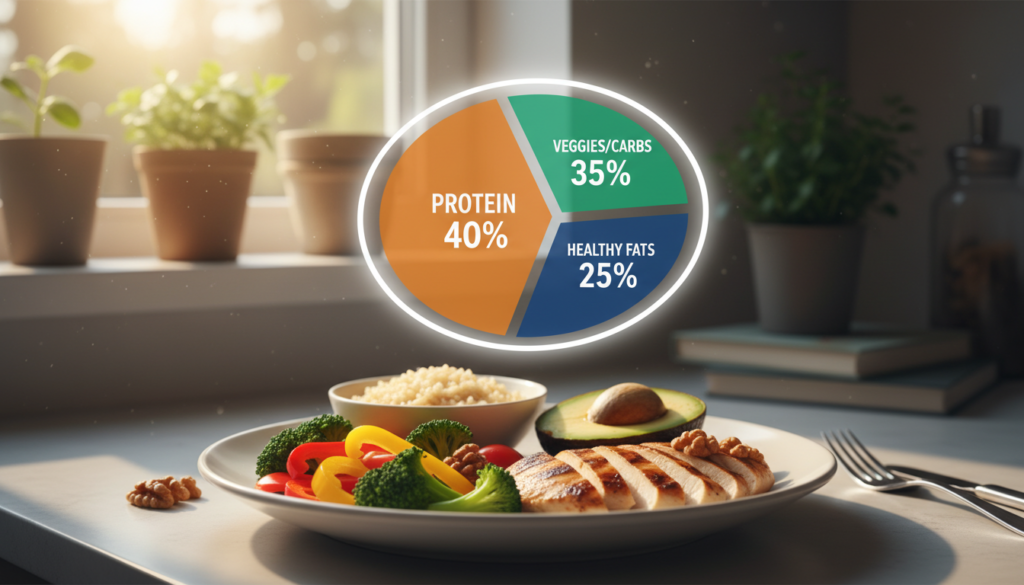
Determining the ideal macronutrient split depends on several factors, including your age, gender, activity level, and specific goals. A common approach is to allocate your daily calories into percentages for each macronutrient.
For instance, a balanced diet might consist of 25-30% protein, 40-50% carbohydrates, and 25-30% fat. However, these ratios can vary based on individual needs and preferences.
The Importance of Protein in Fat Loss
Protein is a critical macronutrient for fat loss, as it helps build and maintain muscle mass, which in turn supports a higher metabolism.
How Much Protein Do You Actually Need
The daily protein intake required for fat loss varies, but a general guideline is to consume 0.8-1 gram of protein per pound of body weight daily. This helps preserve muscle mass while losing fat.
Best Protein Sources for Your Goals
High-quality protein sources include lean meats like chicken and turkey, fish, eggs, dairy products, and plant-based options such as legumes and tofu. Incorporating a variety of these sources can help meet your protein needs.
Smart Carbohydrate Choices
Carbohydrates are a vital energy source for the body. Making smart choices involves understanding the difference between complex and simple carbs.
Complex vs. Simple Carbs
Complex carbohydrates, found in whole grains, vegetables, and legumes, provide sustained energy and fiber. Simple carbs, such as those in sugary foods and refined grains, cause rapid spikes in blood sugar and should be consumed in moderation.
Healthy Fats That Support Your Goals
Healthy fats are essential for hormone production, brain function, and overall health. Sources include avocados, nuts, seeds, and olive oil. These fats support satiety and can help maintain a balanced diet.
Creating a Realistic Calorie Deficit
A well-planned calorie deficit strategy is vital for those seeking to lose fat and maintain weight loss. It’s not just about cutting calories drastically but doing so in a way that is sustainable and healthy.
How to Calculate Your Daily Calorie Needs
To create a calorie deficit, you first need to understand your daily calorie needs. This involves calculating your Total Daily Energy Expenditure (TDEE).
Understanding TDEE
TDEE is the total number of calories your body burns each day, including basal metabolic rate (BMR) and activity level. Your BMR is the number of calories your body needs to function at rest, while your activity level accounts for the calories burned during physical activity.
Activity Level Considerations
Your activity level plays a significant role in determining your TDEE. For instance, someone with a sedentary lifestyle will have a lower TDEE compared to someone who is highly active. To accurately calculate your TDEE, consider your daily activities, including work, exercise, and other physical tasks.
Finding the Sweet Spot for Sustainable Progress
A calorie deficit that is too aggressive can lead to muscle loss and a higher risk of giving up. On the other hand, a deficit that is too small may not yield noticeable results. The sweet spot is typically a daily deficit of 500-1000 calories, which can lead to a sustainable weight loss of 1-2 pounds per week.
Aim for a gradual weight loss as it is more likely to be maintained in the long term. This approach also allows for more flexibility in your diet, making it easier to stick to your calorie deficit plan.
When and How to Adjust Your Calorie Intake
As you progress with your fat loss journey, your calorie needs may change. It’s essential to monitor your progress and adjust your calorie intake accordingly. If you find that your weight loss has plateaued, you may need to recalculate your TDEE and adjust your calorie deficit.
Regularly reviewing and adjusting your calorie intake ensures that you continue to make progress towards your fat loss goals. This might involve increasing your physical activity or further reducing your calorie intake.
The Power of Strength Training for Fat Loss
Strength training is a crucial component of any effective fat loss strategy, offering benefits that extend beyond just burning calories. It’s not just about looking toned; strength training plays a significant role in boosting your metabolism and enhancing your overall health.
Why Muscle Mass Matters for Metabolism
Muscle mass is a key determinant of your resting metabolic rate (RMR), which is the number of calories your body burns at rest. The more muscle mass you have, the higher your RMR will be. This means that even when you’re not actively exercising, your body will be burning more calories. Incorporating strength training into your routine helps build and maintain muscle mass, which is vital for a healthy metabolism.
Best Strength Training Approaches for Beginners
For those new to strength training, it’s essential to start with a routine that is both effective and manageable. Two popular approaches for beginners are full-body workouts and split routines.
Full Body vs. Split Routines
A full-body workout involves exercising all major muscle groups in a single session. This approach is great for beginners because it ensures that you’re working on overall muscle development. On the other hand, a split routine involves dividing your workout into days that target specific muscle groups. While this can be effective, it may be more complex for beginners to manage.
Progressive Overload Principles
Regardless of the routine you choose, the principle of progressive overload is crucial for continuous improvement. This involves gradually increasing the weight or resistance you’re lifting over time to challenge your muscles and stimulate growth. Progressive overload can be achieved by increasing the weight, the number of repetitions, or decreasing rest time between sets.
How Often Should You Lift Weights
The frequency of your strength training sessions depends on your goals and current fitness level. For most people, aiming for 2-3 strength training sessions per week is a good starting point. This allows for adequate recovery time between sessions while still providing significant benefits for muscle growth and metabolism.
Avoiding Common Strength Training Mistakes
One of the most common mistakes beginners make is lifting too much weight too soon, which can lead to injury. It’s also important to focus on proper form and technique. Another mistake is not allowing enough recovery time between sessions for the same muscle group, which can hinder progress and lead to overtraining.
By understanding the importance of strength training and implementing it correctly, you can significantly enhance your fat loss efforts and improve your overall health.
Cardiovascular Exercise: Finding the Right Balance
Finding the right balance in cardiovascular exercise can make or break your fat loss efforts. Cardiovascular exercise is a crucial element in any fat loss program, as it helps burn calories, improve heart health, and increase overall fitness. However, the type and amount of cardio can significantly impact its effectiveness and sustainability.
As with any form of exercise, understanding the nuances of cardiovascular exercise is key to achieving your fat loss goals. It’s not just about doing more; it’s about doing what’s right for your body and your objectives.
HIIT vs. Steady-State Cardio
The debate between High-Intensity Interval Training (HIIT) and steady-state cardio has been ongoing, with each having its proponents and advantages. Understanding the benefits and drawbacks of each can help you make an informed decision.
Benefits of High-Intensity Interval Training
HIIT involves short bursts of high-intensity exercise followed by brief periods of rest. This method has gained popularity due to its efficiency and effectiveness. “HIIT not only burns a significant number of calories during the workout but also triggers excess post-exercise oxygen consumption (EPOC), leading to increased calorie burn after the workout.” According to a study published in the Journal of Strength and Conditioning Research, HIIT can be particularly effective for fat loss due to its impact on EPOC.
- Increased EPOC for enhanced calorie burn
- Time-efficient, typically lasting between 15-30 minutes
- Improved cardiovascular health and insulin sensitivity
When Steady-State Cardio Makes Sense
Steady-state cardio, on the other hand, involves maintaining a moderate intensity over a longer period. While it may not be as time-efficient as HIIT, it has its own set of benefits. “Steady-state cardio is excellent for building endurance and can be less stressful on the joints compared to high-intensity interval training.” It’s particularly beneficial for those who are just starting out with exercise or have certain health considerations.
- Improves cardiovascular health and endurance
- Can be more accessible for beginners or those with mobility issues
- Enhances fat burning during the exercise
How Much Cardio Do You Really Need
The amount of cardio needed for effective fat loss varies widely among individuals, depending on factors such as current fitness level, goals, and overall health. A general guideline is to aim for at least 150 minutes of moderate-intensity or 75 minutes of high-intensity cardio per week, as recommended by health authorities.
However, it’s crucial to balance cardio with other forms of exercise, such as strength training, to ensure overall fitness and muscle preservation during fat loss.
Combining Cardio and Strength Training Effectively
Combining cardio with strength training is a powerful strategy for fat loss. “While cardio helps burn calories, strength training builds muscle mass, which can further enhance metabolism and fat burning.” A well-rounded fitness routine should include both elements.
To combine them effectively, consider alternating days between cardio and strength training, or incorporating hybrid workouts that include elements of both. For example, a circuit training routine can offer both strength training and cardiovascular benefits in a single session.
Sleep: The Overlooked Fat Loss Secret
Sleep is a critical component of a successful fat loss journey, influencing hunger hormones and metabolism in ways that can make or break your progress. While many focus on diet and exercise, the role of sleep in achieving and maintaining weight loss is often underestimated.
How Sleep Affects Hunger Hormones
Sleep has a profound impact on the balance of hunger hormones in our body. During sleep, our body regulates the levels of various hormones that control our appetite and metabolism.
Leptin and Ghrelin Balance
Two key hormones are involved in this process: leptin and ghrelin. Leptin is the “fullness” hormone, which suppresses appetite, while ghrelin is the “hunger” hormone, which stimulates it. When we don’t get enough sleep, the levels of these hormones are disrupted. Ghrelin increases, making us feel hungrier, and leptin decreases, reducing the feeling of fullness. This imbalance can lead to increased calorie intake and, consequently, weight gain.
The Impact of Sleep Deprivation on Cravings
Sleep deprivation not only affects hunger hormones but also increases cravings for unhealthy foods. When we’re tired, our body craves quick energy sources, typically found in high-calorie, high-carbohydrate foods. This can derail even the best-planned diet. Ensuring adequate sleep is crucial for maintaining the discipline required for a successful fat loss regimen.
Optimizing Your Sleep for Better Results
To leverage sleep for fat loss, it’s essential to optimize your sleep environment and habits.
Creating a Sleep-Friendly Environment
Creating a sleep-friendly environment involves several steps. First, ensure your bedroom is dark, quiet, and cool. Consider using blackout curtains, earplugs, or a white noise machine if necessary. Invest in a comfortable mattress and pillows to promote better sleep quality.
A comfortable sleep environment can significantly improve sleep quality.
Establishing a Consistent Sleep Schedule
Establishing a consistent sleep schedule is equally important. Go to bed and wake up at the same time every day, including weekends. This helps regulate your body’s internal clock, improving the quality of your sleep. Aiming for 7-9 hours of sleep per night is recommended for most adults.
By prioritizing sleep and making it a cornerstone of your fat loss strategy, you can better regulate hunger hormones, reduce cravings for unhealthy foods, and ultimately achieve your weight loss goals more effectively.
Managing Stress to Prevent Fat Storage
Stress plays a significant role in fat storage, making its management essential for a successful weight loss journey. When you’re under stress, your body releases cortisol, a hormone that prepares your body for the “fight or flight” response. While cortisol is vital in short bursts, chronically elevated levels can have detrimental effects on your body composition.
The Cortisol-Fat Connection
Cortisol influences fat storage in several ways. It not only increases your appetite but also promotes the storage of fat, particularly in the abdominal area. This is because cortisol triggers the release of insulin, a hormone that facilitates fat storage.
How Chronic Stress Affects Body Composition
Chronic stress leads to sustained cortisol production, which can result in increased fat storage around the midsection. This type of fat storage is associated with a higher risk of metabolic disorders, including diabetes and heart disease. Furthermore, cortisol can cause your body to hold onto fat stores, making it more challenging to lose weight.
Practical Stress Reduction Techniques
Fortunately, there are several effective ways to manage stress and mitigate its impact on fat storage. Incorporating stress reduction techniques into your daily routine can help regulate cortisol levels and support your fat loss goals.
Mindfulness and Meditation Practices
Mindfulness and meditation are powerful tools for reducing stress. These practices help calm the mind, lower cortisol levels, and improve overall well-being. Some effective mindfulness techniques include:
- Deep breathing exercises
- Progressive muscle relaxation
- Meditation apps like Headspace or Calm
- Yoga or tai chi practices
Movement-Based Stress Relief
Engaging in physical activity is another effective way to manage stress. Exercise not only burns calories but also helps reduce cortisol levels. Some excellent options for stress relief include:
- Aerobic exercises like walking, jogging, or cycling
- High-intensity interval training (HIIT)
- Dance-based workouts
- Outdoor activities like hiking or gardening

By incorporating these stress management techniques into your lifestyle, you can better regulate cortisol levels and support your fat loss efforts. Remember, a comprehensive approach to fat loss includes not just diet and exercise but also effective stress management.
Hydration and Its Impact on Fat Loss
Hydration is often overlooked in fat loss discussions, but it’s a critical component of a successful weight management plan. Staying hydrated is essential for maintaining the body’s metabolic processes, including those that directly impact fat loss. Even mild dehydration can slow down metabolism, making it harder to lose weight.
How Water Supports Metabolism and Fat Burning
Water plays a crucial role in metabolism and fat burning. It helps in the breakdown of fat cells, making them available for energy use. Moreover, water is necessary for the proper functioning of the liver, which is responsible for metabolizing fat. When you’re dehydrated, your liver’s ability to metabolize fat is impaired.
Drinking enough water can also help suppress appetite, reducing the likelihood of overeating. Sometimes, thirst can be mistaken for hunger, leading to unnecessary calorie intake. By staying hydrated, you can better manage your calorie intake, supporting your fat loss goals.
Daily Hydration Goals and Guidelines
The amount of water an individual needs can vary based on factors such as age, sex, weight, and activity level. A general guideline is to drink at least eight 8-ounce glasses of water a day, known as the 8×8 rule. However, some experts recommend drinking half an ounce of water per pound of body weight.
- Monitor your urine output: If it’s pale yellow or clear, you’re likely hydrated.
- Drink water regularly throughout the day, rather than consuming it all at once.
- Adjust your intake based on your activity level and climate.
Signs You’re Not Drinking Enough Water
Recognizing the signs of dehydration can help you take corrective action. Common signs include:
- Dark yellow or amber-colored urine
- Fatigue or lethargy
- Dizziness or lightheadedness
- Headaches
By paying attention to these signs and maintaining adequate hydration, you can support your body’s metabolic functions and enhance your fat loss efforts.
Building Sustainable Habits That Last
To achieve lasting fat loss, it’s essential to focus on building habits that stick. Sustainable habits are the foundation upon which successful, long-term weight management is built. This involves understanding the psychology behind behavior change and implementing strategies that promote lasting lifestyle adjustments.
The Psychology of Behavior Change
Behavior change is complex and influenced by various psychological factors. Understanding these factors is crucial for developing effective strategies to adopt healthier habits.
Understanding Habit Formation
Habit formation is a process that involves creating new neural pathways in the brain. Consistency and repetition are key to making new behaviors automatic. For instance, if you want to start a new exercise routine, doing it at the same time every day can help make it a habit.
The Role of Environment in Success
Your environment plays a significant role in shaping your behaviors. By making your environment conducive to healthy habits, you can increase your chances of success. This might involve removing temptations, such as junk food, or creating an environment that supports your goals, like setting up a home gym.
Small Changes That Create Big Results
Making small, incremental changes can lead to significant results over time. This approach helps in avoiding the feeling of being overwhelmed and increases the likelihood of maintaining these changes long-term.
- Start with one or two changes and gradually build upon them.
- Focus on habits that can be realistically maintained.
- Celebrate small victories along the way to stay motivated.
Tracking Progress Without Obsession
Monitoring your progress is essential, but it’s equally important to avoid becoming overly obsessed with metrics. Finding a balance is key.
Beyond the Scale: Better Metrics to Monitor
While weight is a common metric, it’s not the only indicator of progress. Other metrics can provide a more comprehensive view of your journey.
- Track changes in body measurements.
- Monitor improvements in overall health markers.
- Note increases in energy levels and overall well-being.
Progress Photos and Measurements
In addition to numerical metrics, progress photos and body measurements can offer valuable insights into your progress. These methods can sometimes reveal changes that are not immediately apparent on the scale.
By focusing on building sustainable habits, understanding the psychology behind behavior change, and tracking progress effectively, you can achieve lasting fat loss and improve your overall health.
Navigating Plateaus and Setbacks
Weight loss plateaus are not only common but also expected when you’re on a fat loss journey. It’s a phase where your weight loss progress stalls, and it can be demotivating. However, understanding that plateaus are a normal part of the process can help you navigate through them more effectively.
Why Plateaus Are Normal and Expected
Plateaus occur due to various reasons, including your body’s adaptation to the diet and exercise routine. When you start a weight loss program, your body initially responds well, but over time, it adapts, and the rate of weight loss slows down. This adaptation is a natural response and doesn’t mean that your methods are ineffective.
Several factors contribute to weight loss plateaus, such as:
- Metabolic adaptation
- Changes in body composition
- Inconsistent diet or exercise routine
- Hormonal changes
Strategies to Break Through Weight Loss Stalls
Breaking through a plateau requires a combination of patience, persistence, and sometimes, a change in strategy. Here are some effective strategies:
Refeed Days and Diet Breaks
Incorporating refeed days or diet breaks can help boost your metabolism and provide a psychological break from the rigors of dieting. Refeed days involve consuming more calories, typically on a weekly basis, to replenish glycogen stores and potentially boost leptin levels, helping to keep your metabolism revved up.
Adjusting Your Training Variables
Changing your workout routine can also help overcome a plateau. This can involve:
- Increasing the intensity of your workouts
- Changing your exercise routine to challenge different muscle groups
- Incorporating different types of exercises, such as HIIT (High-Intensity Interval Training)
The Importance of Patience and Perspective
It’s crucial to maintain patience and a long-term perspective when dealing with plateaus. Weight loss is not always linear, and progress can be slow. Focusing on non-scale victories, such as improvements in overall health, energy levels, or how your clothes fit, can help keep you motivated.
Patience and persistence are key. It’s also important to celebrate small victories along the way and not get too discouraged by the lack of progress on the scale.
The Role of Accountability and Support Systems
Embarking on a fat loss journey can be challenging, but with the right accountability, it becomes more manageable. Having a support system in place can significantly enhance your ability to stick to your goals and achieve sustainable results.
A support system can come in various forms, from family and friends to professional coaches and online communities. The key is finding the right network that works for you and your lifestyle.
Finding the Right Support Network
Identifying a support network that understands and shares your goals can be incredibly motivating. This could be a group of like-minded individuals who are also on a fat loss journey or experienced professionals who can offer guidance and support.
When looking for a support network, consider what you need most. Do you need someone to share meal ideas and workout routines with, or do you need someone to keep you accountable and motivated? Online forums and social media groups can be great resources for connecting with others who share your goals.
Working with Coaches and Professionals
For many, working with a coach or personal trainer can be a game-changer. These professionals can provide personalized advice, create customized workout plans, and offer the motivation needed to push through challenging times.
A coach can also help you set realistic goals and develop a plan to achieve them. They can provide valuable insights into nutrition and training, helping you make informed decisions about your fat loss journey.
Using Technology and Apps Effectively
In today’s digital age, technology and apps can play a significant role in supporting your fat loss journey. From fitness trackers to nutrition apps, there’s a wide range of tools available to help you stay on track.
Some apps allow you to track your food intake, monitor your workouts, and even connect with a community of like-minded individuals. Utilizing these tools can enhance your accountability and provide valuable insights into your progress.
By leveraging the right support systems and accountability measures, you can significantly improve your chances of achieving and maintaining your fat loss goals.
Creating Your Personalized Fat Loss Plan
A one-size-fits-all approach rarely works for fat loss; a customized plan is essential. To achieve your weight loss goals, you need to consider your unique needs, lifestyle, and challenges.
Assessing Your Starting Point
Before you begin your fat loss journey, it’s crucial to assess your starting point. This involves taking baseline measurements and assessments to understand your current health and fitness status.
Baseline Measurements and Assessments
Start by recording your weight, body fat percentage, and measurements. You should also assess your dietary habits, physical activity level, and overall health markers.
- Track your daily food intake for a week to understand your eating patterns.
- Assess your physical activity level, including the types of exercises you do and their frequency.
- Measure your body fat percentage and track your progress.
Identifying Your Unique Challenges
Understanding your unique challenges is vital to creating an effective fat loss plan. Identify the obstacles that have hindered your weight loss efforts in the past.
- Emotional eating or stress-related eating.
- Lack of time for exercise or meal preparation.
- Previous failed diets or weight loss attempts.
Setting Realistic Goals and Timelines
Setting realistic goals is critical to your success. You need to define both short-term and long-term objectives.
Short-Term vs. Long-Term Goals
Short-term goals provide immediate motivation, while long-term goals give you direction and purpose.
- Short-term goals might include losing a certain amount of weight in a few weeks.
- Long-term goals could involve achieving a specific body fat percentage or maintaining weight loss over time.
Adjusting Your Plan as You Progress
As you progress on your fat loss journey, it’s essential to adjust your plan accordingly. Regularly track your progress and make necessary adjustments to stay on track.
Building Flexibility Into Your Approach
Flexibility is key to maintaining a fat loss plan over time. Life is unpredictable, and your plan should be able to adapt to changes and setbacks.
By incorporating these elements into your personalized fat loss plan, you can create a sustainable and effective approach to achieving your weight loss goals.
Conclusion
Achieving sustainable fat loss is not just about following the latest diet trends or quick fixes; it’s about adopting a long-term approach to weight loss that focuses on lifestyle changes. By understanding the science behind fat loss, debunking common myths, and building a personalized plan, you can set yourself up for success.
Key to this journey is creating a realistic calorie deficit, incorporating strength training and cardiovascular exercise, and prioritizing sleep, hydration, and stress management. By making small, incremental changes, you can develop sustainable habits that lead to long-term weight loss.
Stay committed to your goals, and don’t be discouraged by setbacks or plateaus. With patience, persistence, and the right support, you can achieve a healthier, leaner physique that lasts a lifetime. Focus on progress, not perfection, and celebrate the small victories along the way.
By embracing a holistic approach to fat loss, you’ll not only achieve your weight loss goals but also improve your overall health and well-being. Start your journey today and discover the benefits of sustainable fat loss.